
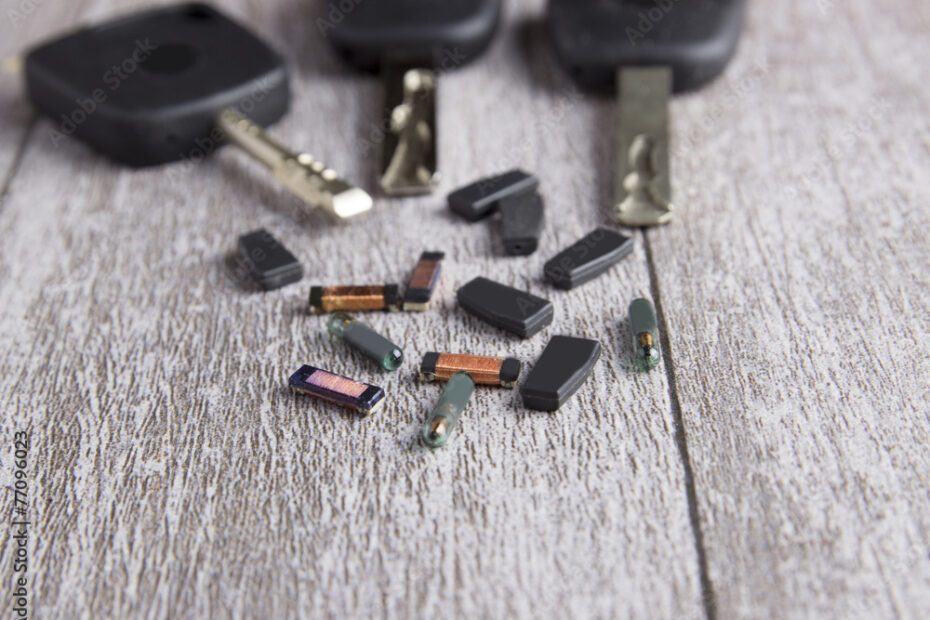
Modern vehicles rely heavily on advanced security features, and one of the most important components in this system is the transponder key. A transponder key contains a small microchip that communicates with the car’s immobilizer, ensuring the engine only starts when the correct key is present. When your key stops working, gets damaged, or needs replacement, a locksmith can program a new one for you. Understanding how locksmiths program transponder keys step by step helps you appreciate the technology behind your vehicle’s security and why professional service is essential.
1. Understanding the Vehicle’s Transponder System
Before starting the programming process, a locksmith first identifies the type of transponder system your car uses. Not all transponder keys are the same. Different vehicles have different immobilizer systems, chip types, and programming requirements. The locksmith checks the car’s make, model, and year, then matches it with the correct key blank and chip technology. This step ensures compatibility and prevents wasted time or malfunction after programming.
2. Verifying Key and System Compatibility
Once the locksmith identifies the correct key type, they verify whether the transponder key can be cloned, programmed manually, or requires advanced diagnostics. Some transponder keys can be duplicated with simple cloning devices, while others need special onboard programming or diagnostic tools plugged into the vehicle’s OBD port. Confirming compatibility is a crucial step because modern cars often have encryption systems that make DIY programming nearly impossible.
3. Cutting the Key Blade
If the customer needs a completely new key, the locksmith begins by cutting the key blade to match the original. Using a professional key-cutting machine, the locksmith duplicates the precise grooves and notches. Even though the transponder chip controls the immobilizer system, the metal blade must still mechanically operate the locks and ignition. A perfectly cut key ensures smooth operation and prevents unnecessary wear on the ignition cylinder.
4. Connecting Diagnostic Tools to the Vehicle
Most transponder key programming requires advanced diagnostic scanners. The locksmith connects a specialized device to the vehicle’s OBD port, usually located under the dashboard. This diagnostic tool communicates directly with the car’s onboard computer, allowing the locksmith to access the immobilizer system. Through this connection, the locksmith can add, erase, or program keys and ensure the new chip is recognized by the vehicle.
5. Programming or Pairing the New Key
With the diagnostic tool connected, the locksmith begins the actual programming process. Depending on the vehicle, this may involve:
- Adding the new key into the system
- Erasing old keys that no longer function
- Synchronizing the new chip with the car’s immobilizer
- Following step-by-step prompts on the diagnostic device
Each vehicle has its own sequence. In some cases, the locksmith turns the ignition on and off in a specific pattern. In others, the device handles everything electronically.
Programming allows the transponder chip inside the key to send the correct radio frequency code to the car’s receiver. If the code matches, the immobilizer will disable itself, allowing the engine to start.
6. Testing the Programmed Key
After programming, the locksmith tests the newly programmed key. This includes checking:
- Whether the car recognizes the transponder
- Whether the engine starts smoothly
- Whether the key turns properly in the ignition
- Whether remote functions (if included) respond correctly
If the car starts and the immobilizer disengages, the key is successfully programmed. Any issues are quickly diagnosed and corrected while the equipment is still connected.
7. Final System Reset and Verification
Some vehicles require a final reset after programming. The locksmith may clear error codes, reset the immobilizer, or perform a quick system scan to verify everything is functioning as it should. This step ensures your vehicle’s security system is updated and no old or unauthorized key remains in the system.
Why Professional Transponder Key Programming Matters
While many car owners attempt DIY programming, modern vehicles make this nearly impossible without the proper tools. Professional locksmiths use certified equipment, follow strict programming sequences, and ensure that the new key is fully functional and secure. A wrongly programmed key can prevent your car from starting or compromise your security.
Choosing a skilled locksmith saves time, avoids dealership markup, and ensures your car remains safe from unauthorized access.