
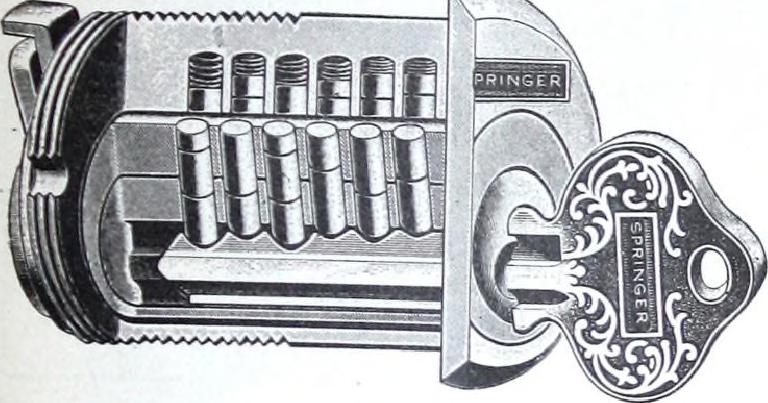
In modern security systems, a master key is one of the most powerful tools in access control. Whether in apartment complexes, office buildings, or hotels, master keys enable selective access while retaining convenience and control. In this guide, we’ll explain how a master key works from basic principles to advanced systems, its advantages and trade-offs, practical implementation, and real-world applications.
Introduction & What Is a Master Key
A master key is a single key that operates multiple locks even when each lock also accepts its own individual key (called a change key or sub-key). In lock hierarchies, the master key is at a higher level of access. The design allows flexibility: some doors are accessible only by specific keys, while higher-level personnel have the master key.
Key Entities & Attributes in a Master Key System
When talking about master keys, several entities and attributes come into play:
- Change key / Sub-key: The individual key tailored to operate one lock (or a small group).
- Master key: The key with elevated access across multiple locks.
- Grand master key: In larger systems, a master of masters — controlling multiple master key groups.
- Master keying system / hierarchy: The architecture of locks, cylinders, and key levels.
- Pin tumbler / wafer / disc mechanism: The internal mechanisms of locks that support multiple shear lines.
- Shear lines / pin stacks: The cut levels in pins that allow multiple key cuts.
- Key code / bitting / cut depth: The numerical or lettered code for how deep each cut is.
- Keyway / cylinder profile: The cross-sectional design of the key and lock interface.
- Security level / key control: Measures to limit unauthorized duplication.
These concepts are the building blocks to understanding how master key systems function.
Why Use a Master Key System?
Organizations opt for master key systems for these reasons:
- Controlled access: Certain personnel can access many doors without carrying many keys.
- Scalability: As the facility grows (new rooms, new wings), the system can expand.
- Security segmentation: Ordinary users have limited access; management or security has elevated rights.
- Convenience & efficiency: Reduces the number of keys that staff must manage.
- Cost savings: Over time, rekeying or upgrading is easier than replacing all locks entirely.
But with power comes responsibility: master key systems must be designed carefully to avoid security risks.
2. Basic Principles of Master Keying
Multiple Shear Lines & Pin Stacking
Ordinary locks are designed with a single shear line pins align to one key. To allow a master key, locks are built with two or more shear lines:
- Primary shear line: Where the individual change key effects correct alignment.
- Secondary shear line(s): Where the master key aligns alternate pin cuts.
To support this, lock manufacturers use stacked pins or spacer pins. Each pin stack might consist of, e.g.:
- A top pin
- A master pin (or spacer)
- A bottom pin
One set of combinations aligns for the change key, another for the master key. This is called pin stacking or master pinning.
Conflict Pins & Key Collisions
As the system scales, pin conflicts (where two required cut depths conflict) may occur. To avoid collisions, locksmiths must carefully plan key bitting charts, ensuring that required cuts do not conflict in same pin position for multiple keys.
In complex systems, key bitting arrays are computed to avoid too many master pins (which reduce security strength). Excessive master pins can weaken the lock because there are more possible shear positions, making it easier to pick.
Levels: Master, Grand Master, Great Grand Master
Large buildings often use multi-tier hierarchies:
- Change keys lowest level, individual room access
- Master key access to all rooms in one building or wing
- Grand master key (GMK) access across multiple master groups
- Great grand master key access across entire campus or organization
Each level depends on correct cylinder design and keying logic.
Keyed Alike vs. Master Keyed
Another distinction:
- Keyed alike: Multiple locks are keyed to accept the same key (no hierarchy).
- Master keyed: Locks accept their own change key and a higher level master key.
Keyed alike is simpler but offers less flexibility than true master keying.
Master Keying with Different Lock Types
Master key principles are not limited to pin tumbler locks. They can apply to:
- Wafer locks (auto, cabinet)
- Disk detainer locks
- Electronic / digital locks (with master passwords or override keys)
- Smart locks / access control systems (master credentials, role-based access)
The same hierarchical concept applies higher-level credentials override lower-level ones.
3. How a Master Key Works: Step-by-Step (MoFu)
Design & Planning Phase
Before any hardware installation, a master key system must be designed:
- Survey all doors / access points: Understand zones, departments, restrictions.
- Define access hierarchy: Which key sees which locks.
- Key schedule / bitting matrix: Create a chart mapping each key to each lock’s cut depths.
- Conflict analysis / pin count planning: Avoid impossible combinations or conflicts.
- Cylinder and keyway selection: Choose systems supporting master pins and security constraints.
Cylinder Construction & Master Pinning
Locksmiths install master pins inside each cylinder according to the design. Each pin stack is assembled such that:
- The change key aligns one shear line
- The master or grand master aligns alternate shear lines
Spacing, pin lengths, and the number of master pins are critical to ensure both keys work effectively without excessive slack.
Key Cutting & Bitting
Keys are cut according to the bitting chart (key codes). Each cut corresponds to how deep it inserts and which pin position it aligns. The master key shares compatible cuts to align with master pins.
Installation & Testing
Once cylinders are built and keys cut:
- They are installed in their doors
- Each key is tested: change keys must open their own locks; master keys must open all relevant locks
- Any misalignment or binding is corrected
Maintenance & Rekeying
Over time, locks may require rekeying, cylinder servicing, or even redesign. If areas change (new rooms, new security zones), the master key system must adapt. Maintenance ensures pins remain correctly aligned and wear doesn’t degrade performance.
4. Advantages & Disadvantages of Master Key Systems
Advantages
- Reduced key clutter: Fewer keys needed overall.
- Scalable system: Easier expansion over time.
- Hierarchical control: Different access levels for personnel.
- Cost-effective in long run: Easier upgrades than full replacement.
Disadvantages / Risks
- Security vulnerability: Because multiple shear lines exist, picking is easier.
- Pin conflicts & complexity: Design errors lead to failure or interference.
- Key control challenge: Unauthorized duplication of master keys is dangerous.
- Limited to supported hardware: Some locks aren’t suitable for master pinning.
- Maintenance burden: Requires updates when access policies shift.
Organizations must weigh these trade-offs when selecting master key systems.
5. Real-World Use Cases & Applications (BoFu)
Residential Complexes & Condominiums
In apartment buildings, master keys allow building staff, maintenance, or security to access all units without needing every tenant’s key. Tenants use their change keys only for their own units.
Hotels & Hospitality
Hotels use master-key systems heavily. Room keys open individual rooms, while housekeeping, management, and security staff have various master levels (floor master, building master, full-master).
Office Buildings & Corporations
Different employee roles (staff, administration, management) require different access. Master key systems define access zones with executives or security having broad access via master keys.
Educational Institutions & Campuses
Universities often segment buildings by department. Each department may have its own master, with campus-wide master keys granting access to all buildings.
Healthcare & Labs
In hospitals or labs, restricted access is essential. Master keys ensure emergency access while maintaining departmental security boundaries.
6. How to Choose a Master Key Provider
Assess Credentials and Reputation
Find a provider or locksmith with experience in master key systems, strong references, and preferably certifications from recognized industry bodies.
Hardware & Brand Compatibility
Select manufacturers known for master-key-capable cylinders. Ensure the provider supports hardware brands already in place or recommended for new installs.
Key Control & Security Measures
Your provider should enforce strict key control policies restricted key duplication, serialization, and audit logs.
Scalability & Flexibility
Ensure the system can expand into additional zones, floors, or buildings without full redesign.
Maintenance & Support
Get clear service agreements for rekeying, upgrades, and cylinder servicing. A provider who offers ongoing support ensures longevity.
7. Advanced Master Key Systems & Modern Variations
Electronic & Hybrid Master Key Systems
- Electronic master systems use electronic locks, key cards, or smart credentials. A master credential (card or fob) opens multiple doors; sub-credentials open individual doors.
- Hybrid systems combine mechanical master keyed cylinders with electronic access control allowing integration with alarms, time-based access, audit trails, etc.
- Advantages: greater flexibility, remote management, revocable credentials. Challenges: higher cost, power/reliability concerns, cybersecurity risks.
Key Cards, Fobs, and Smart Credentials
- Key cards and fobs can emulate master key behavior. They can be programmed with tiered access rights.
- Smart credentials include RFID, NFC, Bluetooth, or mobile app controls. These allow dynamic control (granting/revoking access without changing hardware).
- Important attributes: encryption standards, credential security, compatibility with locking hardware, and backup plan in case of credential failure.
Master Keying & Biometrics
- Some high-security installations use biometric verification (fingerprint, iris, facial) as an override master key or in tandem with mechanical/electronic keys.
- Useful in labs, data centres, secure facilities. Adds extra security layer but increases complexity and costs.
Key System Migration & Upgrades
- Moving from standard keyed locks to master keyed systems or from mechanical to hybrid/electronic systems involves planning: replacing cylinders, rekeying, mapping old keys, training staff.
- Risk management: ensuring that master key fits exactly, no unintended access, auditing existing keys to prevent leftover unauthorized access.
8. Implementation Best Practices
Proper Planning & Security Audit
- Perform a full security audit of your facility: mapping all doors, users, security zones.
- Define access levels/roles who needs what doors. Document this clearly in a master key schedule.
- Understand existing lock hardware: some factories or brands won’t support master pins or may have proprietary profiles.
Key Control Policies & Key Duplication Restrictions
- Use restricted keys that can’t be duplicated without authorization.
- Keep serial numbers, records of issued keys. Only trusted personnel should issue master keys.
- Regularly audit key holders, secure master key blanks, store master keys in secure locations.
Hardware Standards & Quality
- Use high-quality lock cylinders designed for master keying: smooth operation, minimal wear, strong materials.
- Choose lock brands with good tolerance specifications — tight tolerances reduce picking risk.
- Ensure master pin design doesn’t degrade cylinder performance (e.g., too many shear lines causing “wobbly” feel).
Maintenance & Periodic Review
- Regular servicing of lock cylinders to clean dust, lubricate pins.
- Inspect for wear, corrosion.
- Review access needs at least annually: staff changes, retire old key holders, revoke lost keys.
- Re-key or replace hardware when needed to maintain integrity.
9. Cost Considerations & Return on Investment
What Drives Cost in Master Key Systems
- Number of locks and cylinders to be changed/replaced
- Type of system (mechanical, electronic, hybrid)
- Number of key levels (master, grand master, etc.)
- Quality of hardware (brand, security rating)
- Installation complexity, labor cost, emergency access control systems
Typical Price Ranges
- Basic small-scale master keyed mechanical system for few doors: moderate cost labour + parts.
- Medium size building (office, apartment) with electronic access + master key levels: higher.
- Large complex (campus, hotel) with integrated security, audit trails, biometric override: premium cost.
Long-Term Savings vs Alternatives
- Over time, fewer keys to manage, less re-placing of locks when keys are lost.
- Electronic master systems reduce manual labour (e.g., changing mechanical locks).
- Better security reduces theft, liability, insurance costs often masters get lower insurance premiums.
10. Migration & Retrofitting Existing Locks
- Assessment of existing hardware compatibility for master keying.
- Retrofitting involves replacing cylinders or adding master pins.
- Transition planning to avoid downtime and access issues.
- Phased approach: begin with critical areas (security office, main entry), then expand.
- Data/documentation: maintain diagrams, schedules of keys, cylinders; version control when changing master keying plans.
11. Use Cases & Real-World Scenarios
- Hotels & Resorts: floor masters, block masters, site masters. Guest room keys, cleaning, maintenance keyed at different levels.
- Large Office Campuses: wing-masters, department-masters, grand masters for central admin.
- Residential Complexes: property managers with master access, tenants with their own keys.
- Government & Utility Facilities: high-security doors, restricted labs, etc., often integrated with electronic systems.
- Healthcare Facilities: Critical areas, pharmaceuticals, labs, emergency access.
FAQs
Here are frequently asked questions about master key systems:
Q1: Is a master key system more vulnerable to lock picking?
Yes. Because there are multiple shear lines, there are more possible positions where pins can align, which can increase vulnerability. But with high-quality pins, tighter tolerances, and good hardware, risk can be mitigated.
Q2: Can I have a master key system for existing locks?
Often yes. Many mechanical cylinders can be retrofitted with master pins. If hardware isn’t compatible, replacement of cylinders may be necessary.
Q3: What happens if a master key is lost or compromised?
You must rekey (change internal pins) or replace affected cylinders and issue new master keys, changing security credentials. Also audit who had copies and revoke their access.
Q4: How many levels of master keys can a system have?
There’s no strict limit, but practically 2-4 levels (e.g. change key, master, grand master, great grand master) are common. More levels make design complex and harder to manage.
Q5: Do electronic master systems cost more than mechanical ones?
Generally yes. Hardware, software, credential management, power, backup, audit features all cost extra. But they offer benefits: remote control, logging, dynamic access revocation.
Conclusion
A well-designed master key system provides efficient access control, operational convenience, and scalability. Whether you opt for mechanical, electronic, or hybrid systems, paying attention to entities like key hierarchy, pinning strategy, key control, and hardware quality is essential. If you’re seeking expertise, choosing a locksmith or provider with experience, strong security policies, and reputable hardware brands will ensure your system not only works but also protects.